
OSHA Hot Work Safety Training For Construction
29 CFR 1926 Subpart J
Bulk Pricing
Save more when you purchase multiple seats for your team.
Need more than 100 seats? Contact our sales team for custom enterprise pricing.
Get Your Construction Hot Work Safety Certification Online
Complete OSHA 29 CFR 1926 Subpart J — Welding and Cutting Training for Fire Prevention, Fire Watch & Hot Work Permits on Construction Sites
Product Details
Description
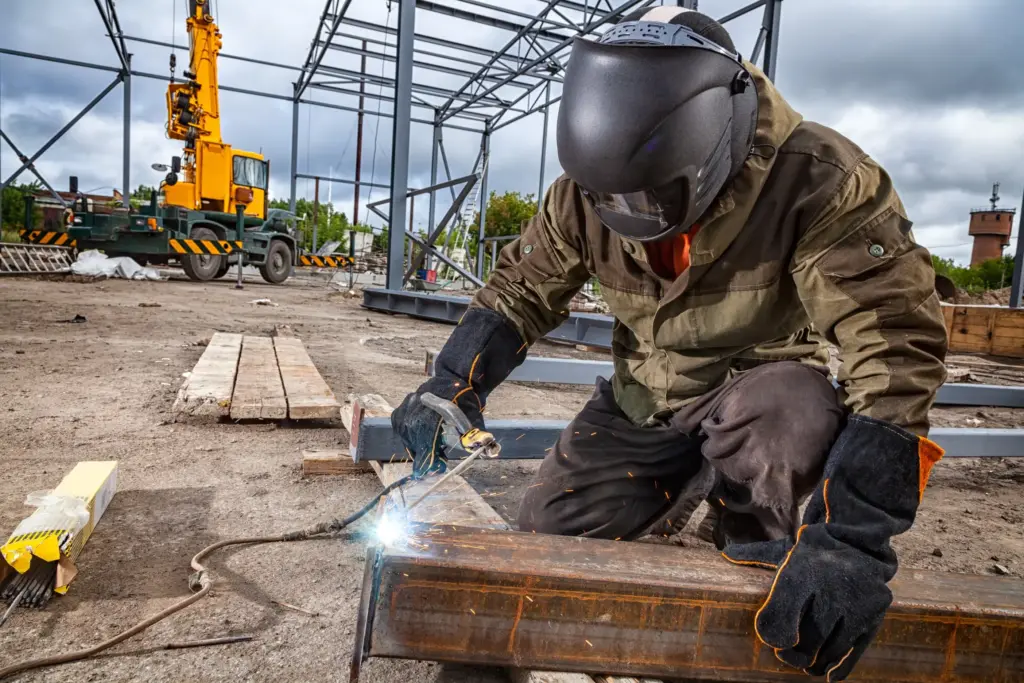
This OSHA construction hot work safety certification course provides comprehensive training on fire prevention, personnel protection, and health hazards associated with welding, cutting, brazing, and grinding operations on construction sites. Covering 29 CFR 1926 Subpart J with focus on §1926.352 Fire Prevention through §1926.354 Preservative Coatings, this online training teaches workers to recognize construction-specific fire hazards, implement proper permit systems, perform fire watch duties, handle compressed gas cylinders safely, and follow safe work practices.
According to FM Global, poorly managed hot work operations cost businesses an average of $5.1 million per incident. But the real cost isn’t measured in dollars—it’s measured in lives changed forever by preventable injuries and fatalities. Construction sites amplify every hot work hazard: the environment changes daily, combustible materials are everywhere, open floors allow sparks to fall freely to lower levels, and permanent fire protection systems don’t yet exist. This course provides the foundational knowledge required to protect yourself and coworkers from fires, explosions, burns, and toxic fume exposure during hot work operations on construction sites.
Course Includes
- Interactive Training Modules
- Real-World Case Studies
- Mindful Minute
- Final Assessment
- Ergonomics Break
- Instant Certificate Upon Completion
- Lifetime Access to Resources
- Mobile-Friendly Learning Platform
Course Content
- Complete OSHA 29 CFR 1926 Subpart J curriculum
- Fire prevention hierarchy for construction environments
- Compressed gas cylinder handling and storage
- Hot work permit system procedures for multi-employer sites
- Fire watch duties and requirements
- Ventilation, toxic metals, and respiratory protection
- Preservative coatings: testing, stripping, and protection
- PPE requirements including FR clothing and shade selection
- Emergency response procedures
Who This Course is For
- Cutting torch and oxy-fuel operators
- Brazers, solderers, and grinding workers
- Fire watch personnel on construction projects
- Foremen and supervisors authorizing hot work
- Ironworkers, structural steel welders, and pipe welders
- General contractor safety coordinators and project managers
- Maintenance technicians who perform occasional hot work during construction
Work Settings
- Commercial building and structural steel construction
- Bridge, infrastructure, and pipeline construction
- Roofing, mechanical, electrical, and plumbing contractors
- Shipyards and marine construction
- Renovation and demolition projects
- Industrial construction: refineries, power plants, processing facilities
- Any construction site where welding, cutting, or grinding operations occur
Additional Product Details
When Construction Hot Work Safety Training Is Required:
- Before performing any welding, cutting, brazing, or grinding operations on a construction site
- Before serving as fire watch during construction hot work operations
- Before being designated as a foreman or supervisor authorizing hot work
- When job assignments change to include hot work responsibilities
- When new equipment or hot work processes are introduced on the jobsite
- After incidents or near-misses involving hot work fires on construction sites
- As refresher training per employer or general contractor policy
Why Choose This Construction Hot Work Safety Certification?
OSHA 29 CFR 1926 Subpart J Compliance
Addresses requirements of OSHA 29 CFR 1926 Subpart J (Welding and Cutting), including §1926.350 Gas Welding and Cutting, §1926.351 Arc Welding and Cutting, §1926.352 Fire Prevention, §1926.353 Ventilation and Protection, and §1926.354 Preservative Coatings.
Construction-Specific Training
Goes beyond basic welding safety to address the unique hazards of construction sites: dynamic environments, open structural systems, combustible building materials, multi-employer coordination, the absence of permanent fire protection, and the preservative coating requirements that exist only in the construction standard.
All Hot Work Operations Covered
- Arc welding and cutting operations
- Gas welding and oxy-fuel cutting
- Brazing and soldering
- Grinding operations
- Hot work on containers, preservative-coated steel, and in confined spaces
Immediate Certificate Access
Upon completion, receive your printable Construction Hot Work Safety Training Certificate instantly—valid for documenting the training component of OSHA-required hot work safety programs on construction sites.
Flexible Online Learning
- Complete training at your own pace
- Access from any device (computer, tablet, mobile)
- No scheduling conflicts or travel required
- Available in English and Spanish
- Affordable alternative to in-person classroom training
Frequently Asked Questions
How long does construction hot work safety training take?
This online construction hot work safety certification takes approximately 2–3 hours to complete, including the final exam. You can work at your own pace and pause/resume as needed.
What makes construction hot work different from general industry?
Construction sites change daily—combustible materials arrive and accumulate, buildings have open floors and walls that allow sparks to fall freely, multiple trades work simultaneously without always knowing what others are doing nearby, and permanent fire protection systems are typically not yet installed. This course addresses the specific OSHA construction standard (29 CFR 1926 Subpart J) and the unique precautions that dynamic environment requires, including gas cylinder handling and preservative coating requirements that don’t exist in the general industry standard.
What is the 35-foot rule in hot work on construction sites?
The 35-foot rule defines the fire hazard zone around hot work operations. Sparks from welding and cutting routinely travel 35 feet. On construction sites, open floors and wind can carry sparks well beyond this distance. Floors must be swept clean within this radius, combustibles should be relocated, and fire watch is required when combustibles within 35 feet cannot be moved. Pre-work inspection must also account for areas below open floor decking where sparks can fall.
What score do I need to pass?
You must achieve a minimum score of 70% on the final assessment. You have up to 3 attempts to pass.
How long must fire watch continue after hot work ends on a construction site?
Fire watch must continue for a sufficient period after hot work ends to ensure no possibility of fire exists. Industry guidance and NFPA 51B recommend a minimum of 30–60 minutes depending on site conditions. Many general contractors and insurers require 60 minutes or longer. The 2014 Mission Bay construction fire in San Francisco began approximately 90 minutes after torch work ended because the fire watch ended too soon.
What are preservative coatings, and why do they require special precautions?
Preservative coatings are applied to structural steel and other metals to prevent corrosion during shipping and storage. Many contain petroleum-based products that are highly flammable or produce toxic fumes when heated. Section 1926.354 requires a competent person to test the coating for flammability before hot work begins. Highly flammable coatings must be stripped from the area to be heated. This requirement is unique to the construction standard and does not appear in the general industry welding rules.
When is mechanical ventilation required for welding on a construction site?
Mechanical ventilation is always required when welding in confined spaces. For toxic metals, requirements vary by material: galvanized steel, chromium, and cadmium filler require general mechanical or local exhaust ventilation; lead and mercury coatings require local exhaust or airline respirators; beryllium requires both local exhaust and airline respirators regardless of whether work is indoors, outdoors, or in confined spaces. Oxygen must never be used for ventilation.
What is the cylinder storage separation requirement?
Oxygen cylinders in storage must be separated from fuel-gas cylinders or combustible materials by a minimum of 20 feet or by a noncombustible barrier at least 5 feet high with a fire-resistance rating of at least one-half hour. Cylinders must be secured upright at all times with a chain, bracket, or steadying device—on construction sites with ground disturbance and heavy equipment traffic, a falling cylinder that shears its valve can become an uncontrolled projectile.
$41.95
Bulk Pricing
Save more when you purchase multiple seats for your team.
Need more than 100 seats? Contact our sales team for custom enterprise pricing.
Related Courses


Join Our Newsletter
By joining the Enhance Safety Training newsletter, you'll receive valuable information on how to train your staff, how to thrive in your current job, and, of course, notified of any new course offerings.
Tips and News in Your Inbox